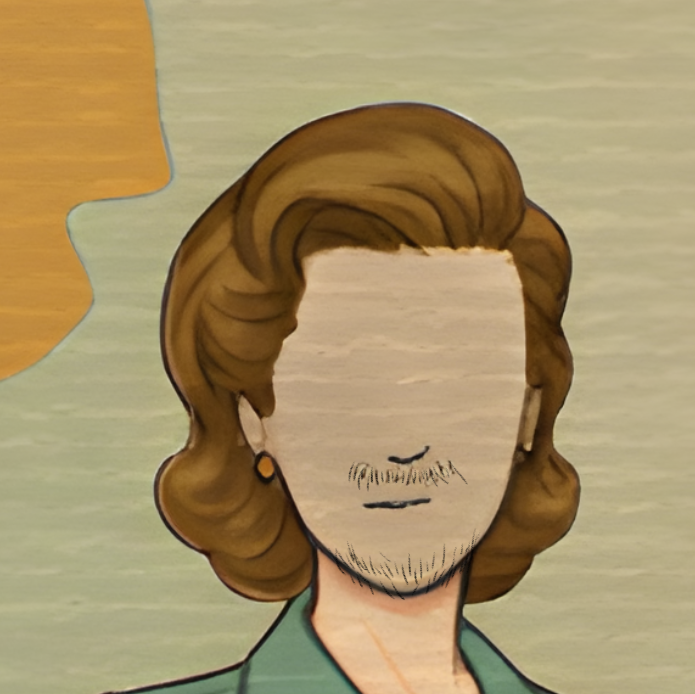
Psychological Profile: Shirley Ten

Content Warning
Memory loss, death of family
Code Name: Shirley Ten
Birth Chart: Sun in Cancer, Ascendant in Leo, Moon in Scorpio (May 26, 1920, 8:00 AM, Washington DC) [1]
Height: 5’9”
Weight: 135
Hair Color: Light Blonde
Eye Color: Grey
Psychological Profile Questions:
What is your earliest memory?
In the first interview, the subject said her earliest memory was being introduced to the aunt who would adopt her on the aunt’s Friendship Heights porch. This happened when she was sixteen years old. The subject said she had no earlier memories.
In the second interview, no earlier memories were found.
How did you feel about your mother?
In the first interview, the subject said she was told by her aunt that her mother left home when the subject was a toddler. The aunt had heard this secondhand and had never met the mother. The subject had no memories of her own about the mother.
In the second interview, no earlier memories were found.
How did you feel about your father?
In the first interview, the subject said her aunt had only met the subject’s father once, at the aunt’s wedding to the subject’s uncle. The aunt found him “nice,” but she could not recall anything in particular about him, since she met so many other people at that wedding. The subject had no memories of her father.
In the second interview, no earlier memories were found.
When did you realize you were a little girl?
In the first interview, the subject said her aunt said she was happy she was getting a nice little girl instead of a rude little boy. The subject asked what are girls and what are boys. The aunt explained the difference. The subject felt like she was neither, but the subject decided to adopt the girl programming.
In the second interview, no earlier memories were found.
What did you think of boys growing up?
In the first interview, the subject said she only remembered that the boys in her two years of high school found her strange and off-putting. The girls felt the same way. The subject was too busy studying to care.
In the second interview, no earlier memories were found.
What is your earliest sexual memory?
In the first interview, the subject said her first night at her aunt’s home, she walked around naked. The aunt explained to her why that was not appropriate.
In the second interview, no earlier memories were found.
How did you learn about sex?
In the first interview, the subject said she found a book of erotica in her aunt’s late husband’s possessions. The subject read the book and did not understand it. The subject’s aunt explained sex to her.
In the second interview, no earlier memories were found.
When did you first learn about homosexuality?
In the first interview, the subject said her husband explained to her Voltaire’s rule, that every scientist must have homosexual sex once, but only once. [2] The subject’s husband had homosexual sex and did not enjoy it.
In the second interview, no earlier memories were found.
What were your sexual fantasies as a teen-ager?
In the first interview, the subject said she did not have sexual fantasies.
In the second interview, the subject confirmed it.
How did you lose your virginity?
In the first interview, the subject said that some time after she was married, the subject and her husband decided to have sex for the sake of children. Neither of them enjoyed it, but they did have two children;, one of each sex.
In the second interview, nothing was uncovered that contradicts this, but the interviewer suspects the time after her marriage is not when the subject lost her virginity.
What do you think about when you touch yourself?
In the first interview, the subject said she does not masturbate.
In the second interview, this is confirmed.
How do you feel about your parents now?
In the first interview, the subject said she has no memory of her parents, so they mean nothing to her.
In the second interview, nothing more was found.
Do you feel you married the right person?
In the first interview, the subject said her husband was popular among the other programmers and secretaries in their department, but he only had eyes for her. The subject has only ever been in love with him. The two were programmed for each other. There is nothing anyone can do to break them apart.
In the second interview, nothing more was found. Something should be found.
Do you ever wish you were the husband?
In the first interview, the subject said she wishes she could modify her body like a machine. The subject said all she can do is change her programming.
In the second interview, nothing more was found, but nothing more is needed to be found.
Member discussion